5 Reasons Companies Need to Invest in Wastewater Management
Find out about the main 5 reasons companies need to invest in wastewater management, from water reuse to increased bottom line.


Industrial operations generate tough wastewater—and outdated treatment methods often cannot keep up. If contaminants are not properly removed, they threaten compliance, equipment reliability, and the environment.
Leading companies are searching for smarter, more efficient technologies that deliver cleaner water, reduce operational burdens, and provide long‑term sustainability.
What is industrial wastewater anyway?
Many industries require extensive water supplies for cleaning, cooling, and other production processes.
During those operations, the water is typically exposed to an extensive list of contaminants like chemicals, solvents, oils, bacteria, heavy metals, waste, and other harmful substances.
What industries need wastewater management?
Any industry that generates wastewater requires professionally engineered water solutions.
These industries benefit significantly from working with water treatment specialists:
Mining
Textiles
Oil and gas
Automotive
Construction
Manufacturing
Power stations
AI and data centers
Food and beverages
Agriculture and farming
Investing in water treatment offers many advantages for companies: process improvements, supporting local economies, increased environmental protection, and tangible improvements to their bottom line.
#1 – Water Recycling
Water recycling is the most obvious benefit of treating the wastewater your company generates. Considering how vital and expensive fresh water is, regularly purchasing new supply can be a costly operational part of your budget.
When you choose engineered solutions that purify your contaminated water you set your company up for success and self-reliance.
Recycling water, also commonly known as reclamation water, is a reliable source of water for your industrial processes and can make a positive difference for both your day-to-day operation costs and our local economy and community.
The right treatment option can rid your wastewater of dangerous pollutants like:
Acids
Ammonia
Bleach
Chlorine
Cyanide
Detergent
Food waste
Heavy metals*
Drug residues
Dyes
Hormones
Motor oil
Nitrates
Phosphates
Petroleum byproducts
Solvents
Sludge
* Common heavy metals contaminating industrial wastewater are arsenic, iron, lead, and zinc.
Recycling water can allow you to safely reuse it for various operations, including cooling and irrigation. Some advanced technologies even make the purified water potable, and safe to return to local freshwater supplies.
Recycling water makes businesses more self-reliant: reducing freshwater supply demand reduces operational costs, which allows you to focus your budget on other company goals.
#2 – Resource Recovery
In addition to recycling water, treating industrial wastewater can also result in resource recovery.
Some industrial wastewater contains recoverable resources, including metals, rare earths, and potentially fertilizer nutrients depending on the waste stream. Recovering those resources can justify investing in enhanced engineered water solutions, potentially turning a cost center into a revenue generator.
Those potential resources can be removed from contaminated water and then be recycled Your company can directly reuse them or sell them for a profit. This revenue can offset the cost of enhanced industrial wastewater treatment.
Metal recovery is a unique opportunity for companies to gain valuable resources. It provides a significant benefit to treating industrial wastewater.
Wastewater often contains valuable base metals like:
Cadmium
Copper
Lead
Manganese
Nickel
Tin
With advanced water purification technology, precious metal and rare earths recovery is a significant growth area for industries such as semiconductors and electronics manufacturing, battery manufacturing, mining and refining.
Another recoverable resource from industrial wastewater is waste heat or field gas. Operational expenses (OPEX) can be reduced by using those resources to generate energy, including to power the treatment technology.
While nitrogen and phosphorous are harmful to aquatic ecosystems, they can be powerful stimulants for crop growth, including as ingredients to commercial fertilizers.
Finally, some recoverable organic solids from sludges could become valuable fertilizer for agricultural use. Decrease your OPEX by reducing disposal while increasing your revenue by selling recovered resources as soil amendments.
#3 – Effective Compliance
Maintaining compliance with federal, state, or local level regulations and ensuring your wastewater meets the release requirements is crucial for operators. Indeed, not adhering to compliance requirements can result in legal action, fines, and damaged reputation.
Efficient and sustainable wastewater treatment and management play a vital role in environmental stewardship, ensures that health and safety risks are minimized, and improves operational performance and revenue generation.
Indeed, approaching wastewater treatment as an ongoing improvement process with effective professional guidance can help your treatment system prepare for evolving pollutants and changing regulations.
Prepared and forward-thinking compliance builds industry leadership and sets you apart from competitors that only respond to regulation changes after they occur.
#5 – Environmental Impact
There is no life without water.
Investing in treating and managing industrial wastewater has a profound environmental impact and public health benefit. It can also make a significant difference for your employees’ health and safety while minimizing your environmental footprint.
By being a good steward of the environment, you also support your local economy and community, protect water streams and wildlife, and safeguard groundwater supplies. Minimizing public health risks is important for both current and future generations.
Committing to sustainable and high-quality industrial wastewater management reflects well on your company’s reputation, values, and ethics.


Choose Avivid Global Water for Customized Water Solutions
Wastewater treatment and management do not have to be complicated.
With many options available to turn your wastewater into reusable supplies and a trove of usable and sellable resources, Avivid Global Water is here to help you get started with a customized plan.
Unlike technology‑first vendors who push a single product, Avivid Global Water takes a systems‑engineering approach. We evaluate water chemistry, performance requirements, and client goals — then design the most efficient, cost‑effective water treatment strategy.
#4 – Increased Revenue
Investing in innovative and trusted water solutions is a lasting achievement for any company.
First, staying compliant with local, state, and federal requirements keeps your company safe from legal repercussions, including fines.
Second, purifying contaminated water results in operational cost savings. Treating water on-site reduces transportation and disposal expenses; recycling water alleviates the need to purchase freshwater supplies which results in a more self-sufficient organization.
By investing in sustainable wastewater management systems that can accommodate changes in levels and types of contaminants, changing weather systems and volume fluctuations, your business sets itself up for long-term success.
Third, resource recovery from treated wastewater provides your organization with a new revenue source, with marketable materials produced by wastewater purification.


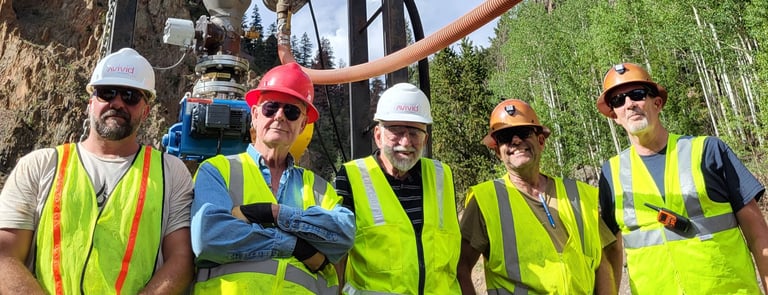
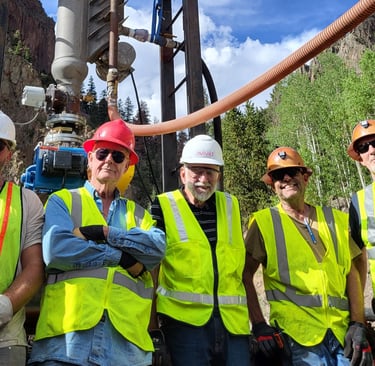
Avivid Global Water is an engineering water solution company for heavily contaminated waters. One of our key end-to-end customized solutions is our patented electrocoagulation technology that replaces chemical treatments. We support mining, landfill, oil and gas, agriculture, and any industry that generates wastewater.
Have a question? Check out our FAQs page or email us.
Email Avivid today: info@avividwater.com
Call our team: +1-303-776-7000
Office: 1714 Duchess Drive, Longmont, CO. 80501
© Avivid Global Water, LLC, 2013-2026